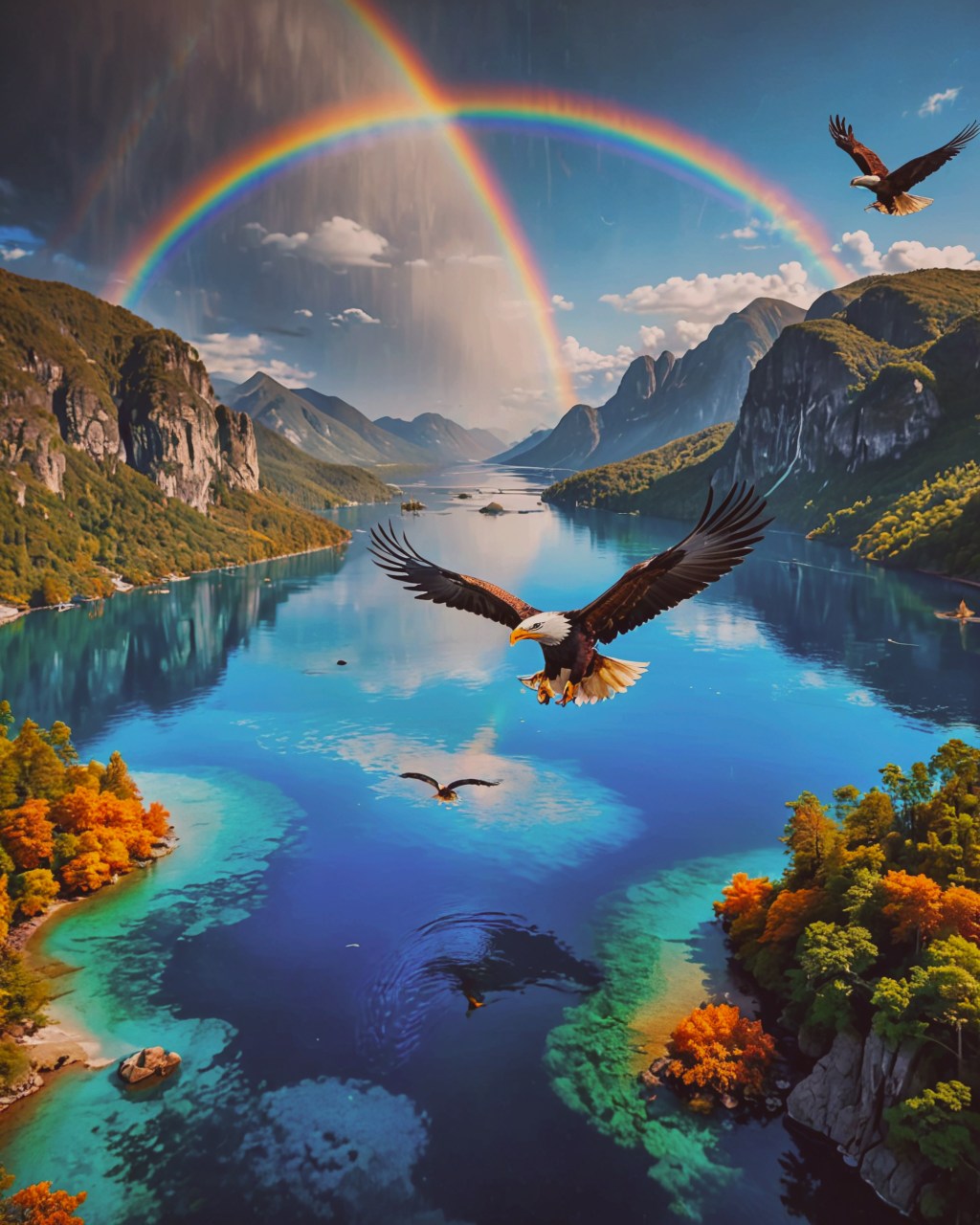
Irish mythology is rich with tales of heroism, magic, and the interplay between the mortal and mystical. Among these, the story of Oisín and Tír na nÓg stands out as one of the most enchanting and heartfelt. This tale about love, adventure, and the passage of time, continues to captivate audiences with its timeless charm.
The Origins of Oisín
Oisín, whose name means ‘little deer,’ was the son of the legendary Fionn mac Cumhaill. I posted a blog recently about this mythical leader of the Fianna, a band of warrior-hunters. Oisín, like his father, was renowned for his poetic talents, and his valour in battle. His life was shaped around the feats and exploits of the Fianna. But his destiny would lead him far beyond the boundaries of the earthly realm.
The Enchantment Begins
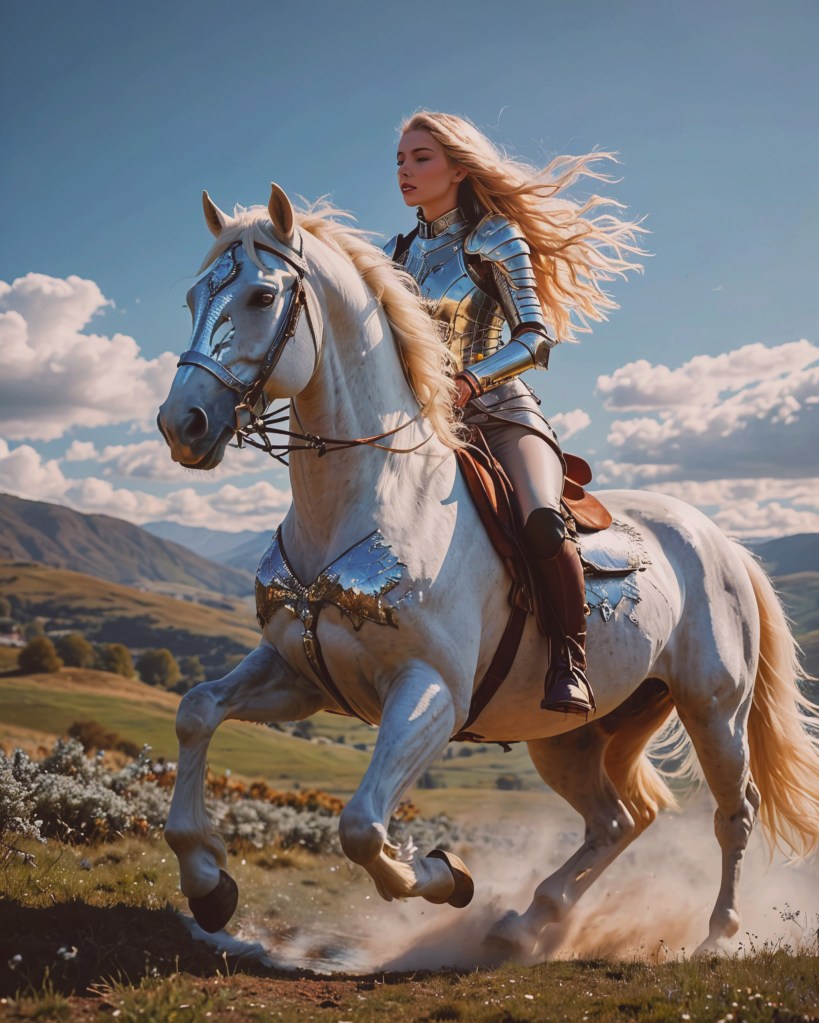
The story of Oisín and Tír na nÓg begins with a magical encounter. One day, while hunting with the Fianna, Oisín came across a beautiful woman riding a big white horse. She was Niamh Chinn Óir, or Niamh of the Golden Hair. She was a princess from the Land of Tír na nÓg, meaning the Land of the Young. Niamh had heard of Oisín’s fame and she had fallen in love with him from afar. She invited him to join her in her mystical homeland, where nobody was ever unhappy, or grew old.
Tír na nÓg: The Land of Eternal Youth
Tír na nÓg, is a magical realm in Irish mythology. It’s described as a place of everlasting beauty, where flowers are always in bloom, and its inhabitants never grow old or weary. Time in Tír na nÓg was virtually non-existent, compared to the mortal world. This timeless quality adds to the story of Oisín and Niamh.
Oisín’s Journey
Driven by love and curiosity, Oisín mounted Niamh’s horse. His father, Fionn, tried to make him stay, but all he could see was love in Oisín’s eyes. Oisín said farewell to his father and fellow warriors of The Fianna, before Niamh and Oisín both journeyed across the sea to Tír na nÓg. The voyage was swift and magical, skimming the waves on the mystical horse as if they were on solid ground. Upon arrival, Oisín was amazed by the splendour of Niamh’s homeland. The couple were married, and for three centuries, they lived in blissful harmony, untouched by the ravages of time.
The Call of Home
Despite the eternal happiness in Tír na nÓg, Oisín eventually grew homesick. He longed to see his family and friends again, but was completely unaware of the centuries that had passed in the mortal realm. He felt that he’d only been there for three years. Niamh, understanding his desire, reluctantly allowed him to return, but she gave him a stern warning: He must not dismount from the magical white horse or touch the ground. If he did, he would never be able to return to the Land of Tír na nÓg.
The Return to Ireland
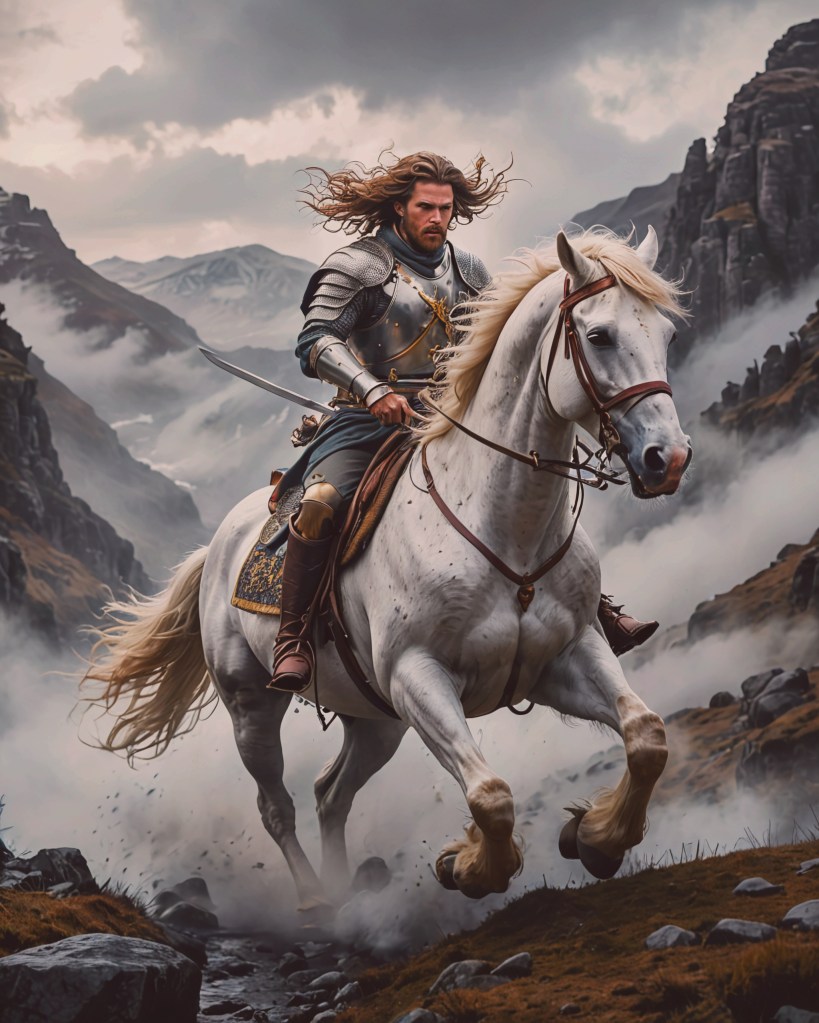
Oisín’s return to Ireland was marked by sorrow and shock. The land he once knew had changed beyond recognition. The Fianna were no more, and their tales were now ancient legends. As Oisín wandered through the transformed landscape, he encountered a group of men struggling to lift a heavy stone. Leaning down to help, he shifted the stone, but the stirrup suddenly snapped and he fell from the horse. Touching the ground, he immediately grew old and aged centuries. The magic of Tír na nÓg left his body.
The Wisdom of Oisín
Now an old man, Oisín was brought to Saint Patrick, who was spreading Christianity across Ireland. The two had many conversations, with Oisín sharing the lore and legends of the Fianna, and Patrick recounting the teachings of the new faith. These dialogues are often depicted as a symbolic meeting of pagan and Christian traditions in Ireland.
The Themes and Lessons
The story of Oisín and Tír na nÓg is one of the mythical legends of Ireland, that tells about the passage of time, the shortness of life, and an eternal search for happiness in our everyday lives. Oisín’s tale is a reminder to be happy with what we have in life, rather than the attraction of an unattainable paradise. It also reflects the universal human experience of longing, and the inevitable confrontation with reality.
The Cultural Legacy
The legend of Oisín and Tír na nÓg has had a profound impact on Irish culture and literature. It has been retold in countless forms, from medieval manuscripts to modern adaptations. Poets like W.B. Yeats have drawn inspiration from the tale, using it to explore themes of nostalgia and the intersection of the supernatural with the mundane.
The Story in Modern Times
Today, the story of Oisín and Tír na nÓg continues to be a source of fascination and inspiration. It is frequently referenced in literature, music, and art, symbolising the timeless nature of myth and the enduring power of love and legend. Modern interpretations often explore the psychological and existential dimensions of the tale, making it relevant to contemporary audiences.
Conclusion
The story of Oisín and Tír na nÓg is a testament to the richness of Irish mythology and its ability to convey profound truths about the human condition. Through the enchanting narrative of love, loss, and the passage of time, this legend offers a window into the timeless quest for meaning and the enduring power of myth. As long as there are storytellers, the tale of Oisín and Tír na nÓg will continue to captivate hearts and minds, a shimmering beacon of the magical and the eternal.
The Role of Tír na nÓg in Irish Mythology
Tír na nÓg is one of the most significant realms in Irish mythology. In many ways, Tír na nÓg embodies the ideal of paradise, a place where the worries of the world are left behind. This concept resonates with many cultures around the world, each having its own version of an ideal haven. It’d be what we’d all want to call…Heaven!
Symbolism in the Tale of Oisín and Tír na nÓg
The tale is rich with symbolism that enhances its depth and meaning. Niamh’s golden hair, for example, symbolises not just her beauty, but also her heavenly origin and the attraction of the supernatural. The white horse she rides represents purity, and is the bridge between the mortal world and the enchanted realm.
Oisín’s journey can be seen as a metaphor for the human pursuit of happiness and the inevitable realisation that such perfection is unattainable in an earthly realm. His fall from the horse and subsequent ageing symbolise the inescapable nature of time, and the consequences of longing for a past that cannot be reclaimed.
Modern Interpretations and Adaptations
In recent years, the tale of Oisín and Tír na nÓg has found its way into popular culture, including music, film, and even video games. These modern interpretations often highlight the psychological and emotional aspects of the story, making it relevant to audiences.
For instance, the concept of Tír na nÓg has been used in fantasy literature and role-playing games as a setting that represents an idealised world, free from the constraints and sorrows of reality. These adaptations often emphasise the tension between the attraction of such a perfect realm, and the inevitable pull of the real world.
Conclusion
Oisín and Tír na nÓg is more than just a story; it’s a window into the soul of Irish mythology and a reflection of universal human desires and fears. Through its enchanting narrative, it offers timeless lessons about love, loss, and the search for meaning. As we continue to tell and retell this tale, we keep alive the magic of Oisín and Niamh’s eternal love, ensuring that their story remains a cherished part of our cultural heritage.

 Author Brian Kermode